German iGaming Regulator Faces Critical Deadline on Deposit Limits
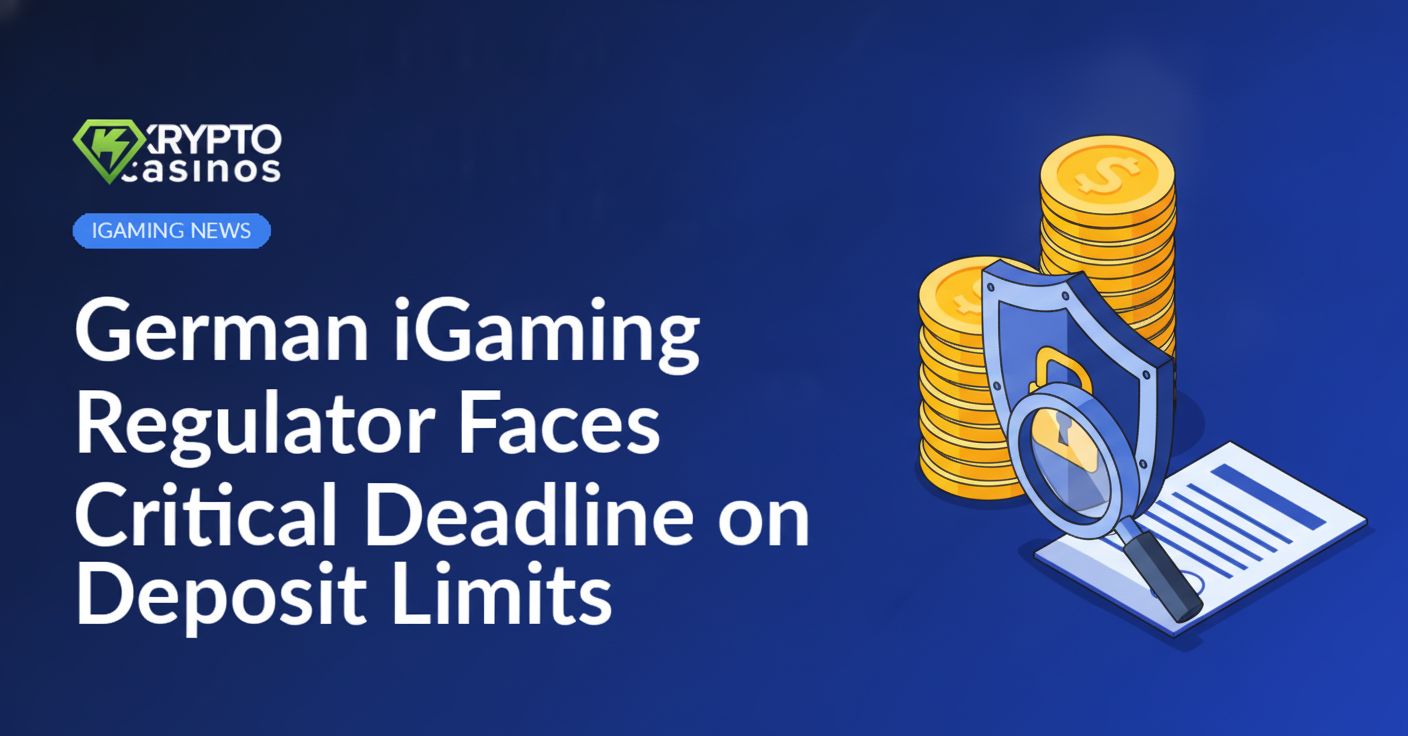
German Regulator Faces End-of-Year Deadline on Deposit Limits – Courts Reject Verification Tool as Black Market Risks Rise
Key Takeaways
- Administrative courts have deemed the SCHUFA-G financial assessment tool unsuitable for the German iGaming market.
- Current temporary permissions allowing player deposit limits to increase from €1,000 to €10,000 expire at the end of the year.
- The administrative board of the regulator GGL meets on 18 November to discuss alternative verification methods.
- Failure to establish a new system could force all players back to the €1,000 standard limit and trigger black market migration.
Court Rulings Invalidate Current Financial Verification Tool
The ongoing debate over deposit limits in the German iGaming market centers on the suitability of the SCHUFA-G evaluation system. This tool previously allowed online operators to assess a player’s financial circumstances in a standardized manner. It served as the primary mechanism to increase the cross-operator monthly standard deposit limit under the State Treaty on Gambling (GlüStV) from €1,000 to €10,000.
Recent administrative court decisions have seriously questioned the legal validity of this specific approach. Judges argued that the tool primarily assesses a player’s creditworthiness rather than providing a complete financial picture. It fails to evaluate actual assets, overall wealth, or comprehensive financial stability.
Courts have therefore classified the tool as unlawful and completely unsuitable for determining safe limit increases. This ruling forces the gambling industry and regulators to find a compliant alternative before current temporary limit permissions expire at the end of the year.
Regulatory Board Considers Open Banking and Document Uploads
The German regulator Gemeinsame Glücksspielbehörde der Länder (GGL) cannot unilaterally decide on a replacement for SCHUFA-G. The administrative board must be directly involved in establishing a new regulatory framework. The board has already held two separate meetings without reaching a conclusive way forward for the market.
The next administrative board meeting is scheduled for 18 November. Dr Joerg Hofmann, Senior Partner at Melchers Law, stated during a recent webinar that a definitive decision must be made at this gathering. Open banking practices like Kontoblick are currently under active discussion as potential technological alternatives.
The board is also considering requiring players to upload physical proof of income. These documents would need to clearly demonstrate that an applicant can afford and deserves a higher deposit limit. The outcome of the upcoming November meeting remains entirely unpredictable according to legal experts.
Operators Advised to Submit Limit Increase Applications Early
The expiration of temporary permissions creates a very tight timeline for operators and the regulator alike. The topic was a major focus during the recent Gaming in Europe webinar titled ‘The German iGaming market in 2027 and beyond’. Moderated by Content Director Jeroen Laemers, the session highlighted the urgency of the impending deadline.
Hofmann advised companies to apply for new limit increases as soon as possible, even before the administrative board finalizes the new technical requirements. Early applications would give the GGL sufficient time to process requests once a conclusive decision is officially communicated. Processing these administrative acts on time is critical to maintaining the possibility of increased limits.
Operators face the immediate risk of losing their elevated limit permissions entirely if they wait for final clarity. A proactive approach helps mitigate the severe administrative bottleneck expected at the regulatory level as the year ends.
Reverting to Standard Limits Raises Black Market Concerns
A failure to renew the permissions would cause deposit caps to drop back down to a standard of €1,000 for every player across all licensed operators. This sweeping restriction applies to everyone except players who have voluntarily set lower personal limits. Operators are highly aware of the potential commercial consequences of such a broad limit enforcement.
A sudden reduction from higher tiers of €10,000 or €30,000 down to €1,000 could trigger a massive migration of high-volume players. Users would likely seek out the deposit opportunities they require outside of the heavily restricted German licensed market. Hofmann expressed deep concern over whether key decision-makers fully understand the severity of this risk.
Industry representatives are actively addressing the continuous presence of unlicensed operators to mitigate these threats. Christian Heins, Founder of the European Gambling Gathering (EGG), noted ongoing efforts to crack down on black market advertising by presenting concrete evidence to Big Tech platforms.
Webinar Highlights Esports Betting and Sweepstakes Regulation
The recent Gaming in Germany digital event also touched on broader regulatory developments beyond the immediate deposit limit crisis. Dr Nepomuk Nothelfer, Attorney at Melchers Law, examined the legal framework and potential scope of esports betting becoming fully regulated in Germany in the near future.
Discussions also covered a recent ruling by the Halle Administrative Court regarding ongoing regulatory enforcement. Participants debated whether this specific decision fundamentally jeopardizes the current implementation of the GlüStv 2021. The potential legal authorization of sweepstakes within the market was also a key agenda item.





Our Assessment
The German iGaming market is approaching a critical regulatory deadline at the close of the current year. The legal invalidation of the SCHUFA-G tool leaves a significant gap in the framework for approving higher player deposit limits. Resolving this compliance issue depends entirely on the outcome of the upcoming GGL administrative board meeting.
Replacing the current automated system with open banking methods or manual document uploads will require rapid implementation by both operators and the regulator. Failure to establish a viable operational alternative risks pushing players who demand higher deposit volumes toward unlicensed offshore platforms. This situation highlights the ongoing industry challenge of balancing stringent player protection measures with the practical operational demands of a fully regulated gambling market.
We have imposed strict editorial guidelines on ourselves and explain our testing methods openly and comprehensively. We also communicate transparently how our work is financed. This site may contain tracking links, but this does not influence our objective view in any way.