US Expands Sanctions to Iranian Crypto Exchange Nobitex
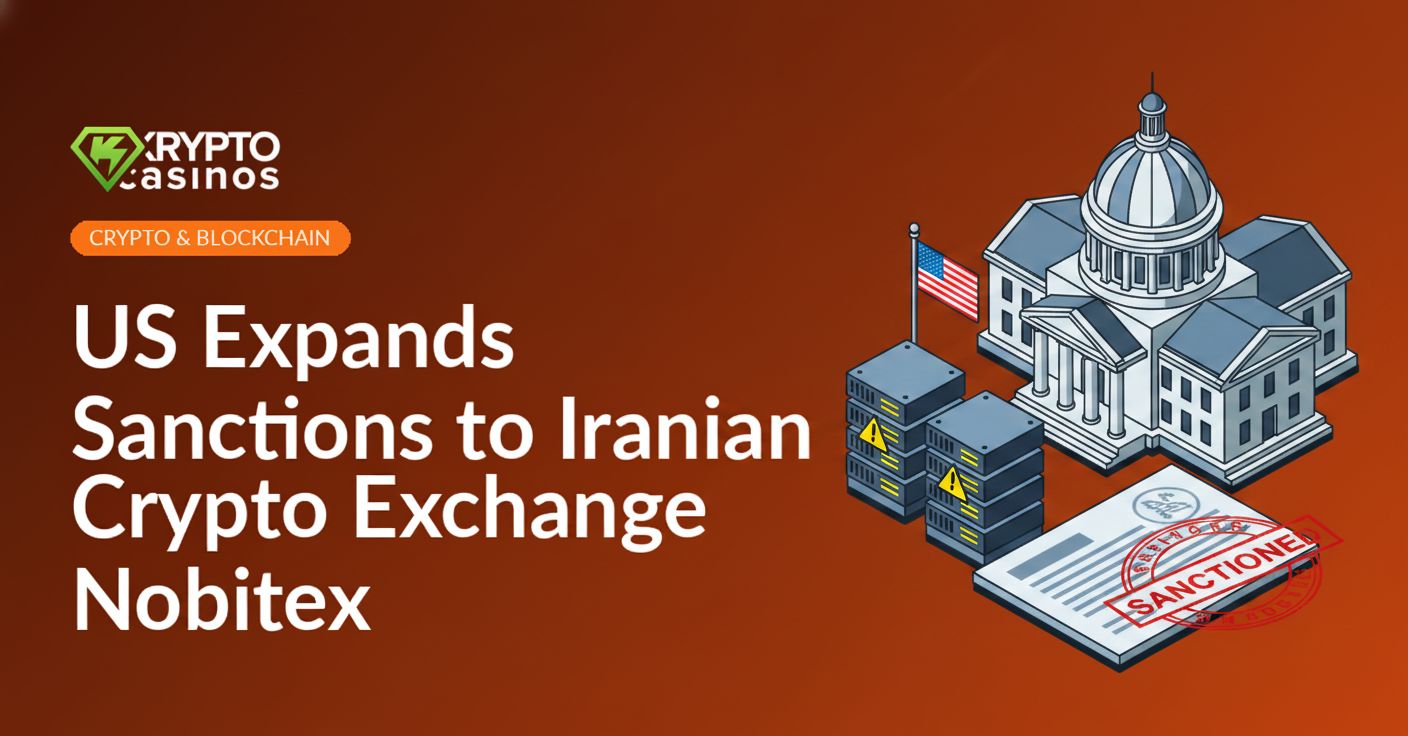
US Treasury Expands Crypto Sanctions to Nobitex and Other Iranian Exchanges – Increased Pressure on Digital Asset Platforms Linked to Sanctions Evasion
Key Takeaways
- The US Treasury has expanded sanctions to include Iranian crypto exchange Nobitex and three other platforms: Wallex, Bitpin, and Ramzinex.
- According to the Treasury, Nobitex facilitated 50 percent of all Iranian crypto inflows in 2025.
- US authorities allege that some funds processed through Nobitex were linked to the Iranian military and the Islamic Revolutionary Guard Corps.
- Chairman Amir Hossein Rad, Founder Seyed Mohammad, and CEO Sayed Ali Khoee have been sanctioned.
- The sanctions expansion follows the reported seizure of 1 billion US dollars in crypto assets tied to the Iranian government.
US Treasury Targets Nobitex and Additional Iranian Crypto Platforms
The US Treasury’s Office of Foreign Assets Control has expanded its sanctions program to include Nobitex, a local Iranian cryptocurrency exchange. The measure forms part of what US authorities describe as an effort to follow financial flows connected to the Iranian government.
In addition to Nobitex, the Treasury has targeted three other Iranian digital asset platforms: Wallex, Bitpin, and Ramzinex. The action formally places these entities under US sanctions, restricting their access to the US financial system and prohibiting dealings by US persons.
US Treasury Secretary Scott Bessent stated that authorities would follow financial flows whether they move through traditional banks or through digital asset channels. He linked the move to broader US efforts to prevent Iran from developing a nuclear weapon and accused the Iranian government of using digital assets to evade existing sanctions and transfer wealth abroad.
Allegations of Sanctions Evasion and Military Links
According to the US Treasury, Nobitex played a central role in Iran’s crypto market activity. Authorities claim that the exchange facilitated 50 percent of all Iranian crypto inflows in 2025. The Treasury further alleges that some of the funds processed through Nobitex were tied to the Iranian military and the Islamic Revolutionary Guard Corps.
US officials also claim that the Central Bank of Iran used Nobitex to support the Iranian rial, the country’s national currency, during periods of depreciation. These allegations form part of the justification for expanding sanctions to include both the platform and its leadership.




As part of the action, Nobitex Chairman Amir Hossein Rad, Founder Seyed Mohammad, and CEO Sayed Ali Khoee have been individually sanctioned. Such designations typically freeze any assets under US jurisdiction and prohibit US persons from engaging in transactions with the listed individuals.
Sanctions Expansion Follows Reported 1 Billion Dollar Crypto Seizure
The expanded measures come shortly after US authorities revealed the seizure of 1 billion US dollars worth of crypto assets reportedly tied to the Iranian government. The seizure underscores the increasing role of digital assets in geopolitical disputes and sanctions enforcement.
The Treasury’s latest announcement also follows reports earlier in the year that Iran had floated the idea of Bitcoin tolls. While details of that proposal were not specified, the reference highlights how digital assets have become part of broader economic and policy discussions in the country.
By targeting crypto exchanges directly, US authorities signal that digital asset infrastructure is considered part of the sanctions enforcement landscape. The action extends beyond traditional banking channels and focuses on platforms that facilitate crypto inflows and transfers.
Iran Responds to US Measures
Iran’s embassy in Japan responded publicly to the sanctions expansion. According to the embassy, the updated measures are intended to force the Iranian economy to collapse and to incite unrest against the country’s leadership.
The embassy rejected the framing presented by US officials and described unilateral sanctions as illegal and inhumane. It argued that circumventing such sanctions should not be characterized as corruption.
The exchange of statements illustrates how cryptocurrency has become intertwined with broader geopolitical tensions in West Asia. Digital assets, once primarily discussed in financial and technological contexts, are increasingly referenced in diplomatic and sanctions related disputes.
Implications for Crypto Markets and Platform Users
The inclusion of Nobitex, Wallex, Bitpin, and Ramzinex in US sanctions adds to the regulatory and compliance considerations surrounding crypto exchanges operating in sanctioned jurisdictions. For users evaluating crypto platforms, sanctions designations can directly affect accessibility, liquidity, and cross border transfers.
The US Treasury’s focus on following funds through crypto channels demonstrates that authorities view digital asset platforms as integral parts of the global financial system. At the same time, the reported 1 billion US dollar seizure shows that enforcement actions can involve significant volumes of crypto assets.
The debate around crypto’s non sovereign characteristics and its role as a potential hedge against geopolitical risks has intensified in light of such actions. The current measures show that governments are actively asserting jurisdiction where they identify connections to sanctioned entities.
Our Assessment
The US Treasury has formally expanded sanctions to include Nobitex and three additional Iranian crypto platforms, citing their role in facilitating crypto inflows and alleged sanctions evasion. The action includes sanctions against key executives and follows a reported 1 billion US dollar crypto asset seizure. Official statements from both US authorities and Iran’s embassy in Japan highlight the growing intersection between cryptocurrency infrastructure and geopolitical sanctions enforcement. For market participants, the case underscores that crypto exchanges can become direct targets of international sanctions policy.
We have imposed strict editorial guidelines on ourselves and explain our testing methods openly and comprehensively. We also communicate transparently how our work is financed. This site may contain tracking links, but this does not influence our objective view in any way.