Anjouan Clarifies Gaming Licence Scope Amid Black Market Debate
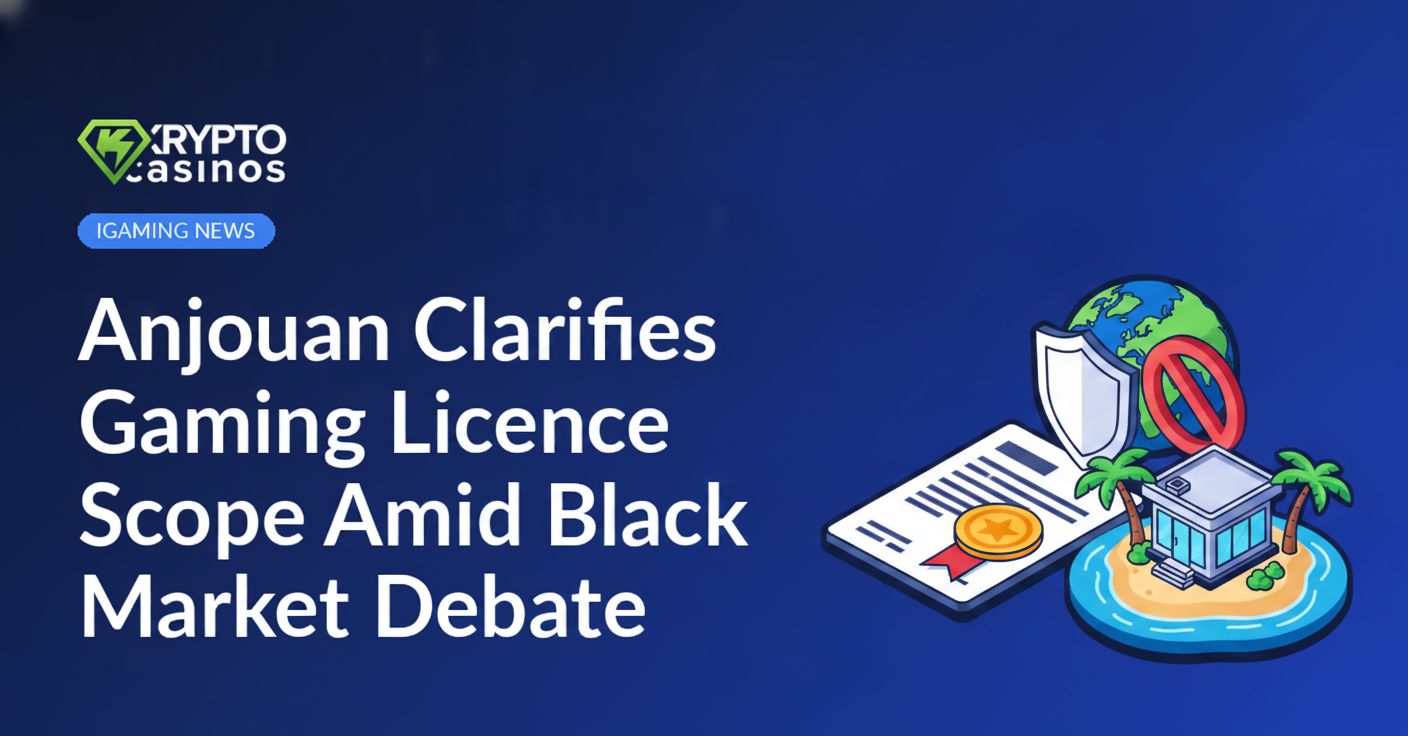
Anjouan Regulator Clarifies Scope of Its Gaming Licences – Debate Over Black Market Responsibilities Intensifies
Key Takeaways
- Anjouan Gaming has publicly stated that its internet gaming licences are not intended as universal authorization to operate worldwide.
- The regulator says no licensing authority can exempt operators from complying with local laws in jurisdictions that require local approval.
- Criticism of offshore licensing frameworks, including Anjouan and Curacao, has intensified amid concerns about black market gambling.
- Regulators in markets such as the UK and the Netherlands are increasing enforcement against unlicensed operators and illegal advertising.
Anjouan Issues Public Statement on Licence Scope and Market Access
Anjouan Gaming has released a public statement asserting that its internet gaming licences are issued under the legal framework of the Autonomous Island of Anjouan and are not presented as a global operating permit.
According to the regulator, its licensing programme is administered under the authority of relevant Anjouan public bodies responsible for the offshore financial and gaming framework. The statement emphasizes that an Anjouan Internet Gaming Licence “is not, and has never been presented as, a universal authorisation to operate in every country in the world.” It further clarifies that no licensing authority can exempt an operator from complying with local law in jurisdictions where local authorization is required.
The intervention was shared publicly as debate around offshore licensing and black market gambling activity intensifies across multiple regulated markets.
Regulator Shifts Responsibility to Operators
In its statement, Anjouan Gaming places responsibility for cross border compliance on individual operators rather than on the licensing framework itself. The regulator calls for informed industry discussion on topics including regulatory standards, market access, player protection, anti money laundering obligations, technical compliance, and responsible gaming.
Anjouan argues that criticism often conflates offshore licensing with local market authorization. The statement warns against treating operator misconduct as evidence against an entire licensing framework without reference to applicable legal structures, licence conditions, public registers, verification tools, or compliance obligations.





The regulator also notes that different operators have varying regulatory needs depending on business model, target markets, risk profile, payment relationships, suppliers, and long term strategy. By highlighting these differences, Anjouan distinguishes between holding a licence in its jurisdiction and meeting requirements in other countries.
Offshore Licences Under Scrutiny in Regulated Markets
Anjouan and Curacao are frequently cited in discussions about offshore gambling licences used by operators targeting markets where they do not hold local authorization. As regulated jurisdictions step up enforcement against unlicensed gambling, scrutiny of offshore frameworks has increased.
In the United Kingdom, industry stakeholders are preparing for stronger action against offshore and unlicensed operations. Concerns have been raised that changes in taxation and regulatory requirements could create conditions in which black market operators seek to expand their presence. As compliance standards tighten and enforcement becomes more rigorous, mid tier operators may face greater challenges in maintaining market access and visibility.
These developments have fueled concerns about the potential growth of unlicensed operators in certain regulated markets.
Dutch Regulator Targets Illegal Advertising Infrastructure
The Netherlands has also taken action against what it describes as insufficient efforts to curb illegal gambling advertising on social media platforms. The Dutch gambling regulator, Kansspelautoriteit, has criticized platforms such as TikTok and Meta for accepting advertising from illegal gambling providers.
Speaking at the Gaming in Holland event in Amsterdam, Kansspelautoriteit Director of Licensing and Supervision Ella Seijsener stated that the regulator intends to dismantle the infrastructure surrounding illegal providers and make it impossible for them to operate in the Dutch market.
Seijsener acknowledged that fines imposed on illegal operators are almost impossible to collect and are therefore rarely paid. Instead, the regulator is focusing on a broader enforcement strategy. This includes cooperation with hosting providers, banks, payment service providers, and marketing companies in order to disrupt the operational ecosystem that supports illegal gambling services.
This approach reflects a shift from direct enforcement against individual operators toward targeting the financial, technical, and promotional channels that enable market access.
Impact on Operators and International Users
For operators holding offshore licences, the debate underscores the distinction between obtaining a licence in one jurisdiction and legally offering services in another. Anjouan Gaming’s statement reiterates that its licence does not override national gambling laws elsewhere.
For you as an international user of crypto betting or iGaming platforms, the regulatory framework behind an operator’s licence remains a central consideration. Licensing determines oversight structures, compliance obligations, and the extent to which a provider is subject to enforcement by public authorities. At the same time, local market rules may still apply depending on your jurisdiction.
As regulators in countries such as the UK and the Netherlands increase enforcement pressure and cooperate with payment and hosting providers, the operating environment for offshore licensed platforms may face additional scrutiny.
Our Assessment
Anjouan Gaming has formally clarified that its internet gaming licences are issued under its own jurisdictional framework and do not grant global market access. The statement comes amid broader regulatory pressure on offshore licensed operators and intensified enforcement against unlicensed gambling in several European markets. For operators and users alike, the distinction between holding an offshore licence and complying with local market authorization requirements remains central to the ongoing regulatory debate.
We have imposed strict editorial guidelines on ourselves and explain our testing methods openly and comprehensively. We also communicate transparently how our work is financed. This site may contain tracking links, but this does not influence our objective view in any way.